

Reading pet treat labels can feel like decoding a secret language. You want the best for your furry friend, but those tiny print ingredients and confusing terms make it tough to know what really matters. We’ll show you how to read pet treat labels with confidence, so you can pick safe, natural, Canadian-made treats that keep tails wagging and whiskers twitching!
Decoding Pet Treat Labels
Reading pet treat labels doesn’t have to be daunting. Let’s break down the key elements to help you make confident choices.
Key Ingredients to Watch For
You want to know exactly what’s in your pet’s treats. Look for meat as the first ingredient, like beef or chicken. These provide the protein your pet needs. Avoid vague terms like “meat meal” or “animal by-products.” These could mean lower quality ingredients. Keep an eye out for whole grains such as brown rice or oats. They’re good sources of energy. If you’re interested in grain-free dog treats in Canada, opt for sweet potato or peas instead of grains. These alternatives are nutritious and easy to digest.
Understanding Guaranteed Analysis
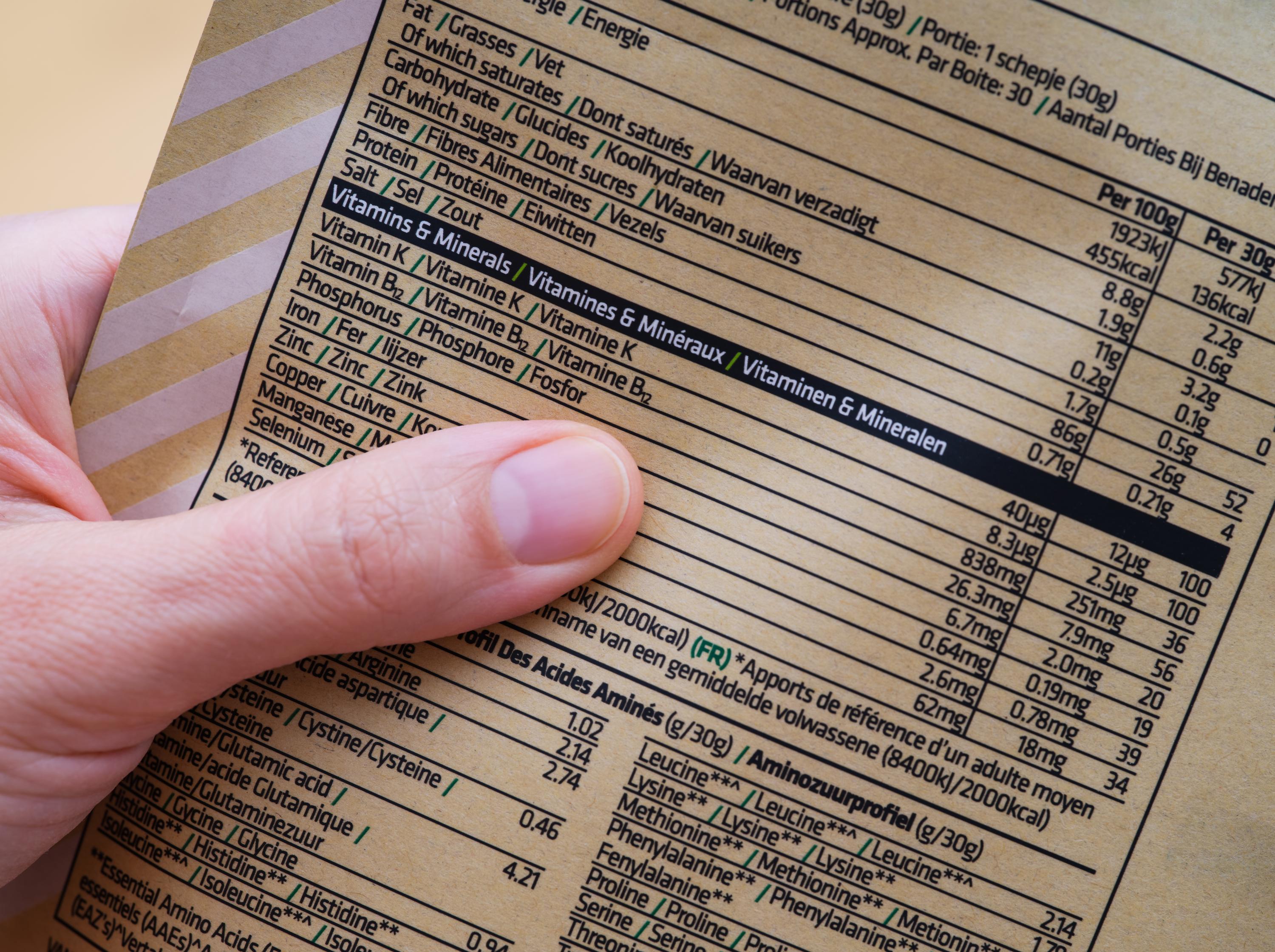
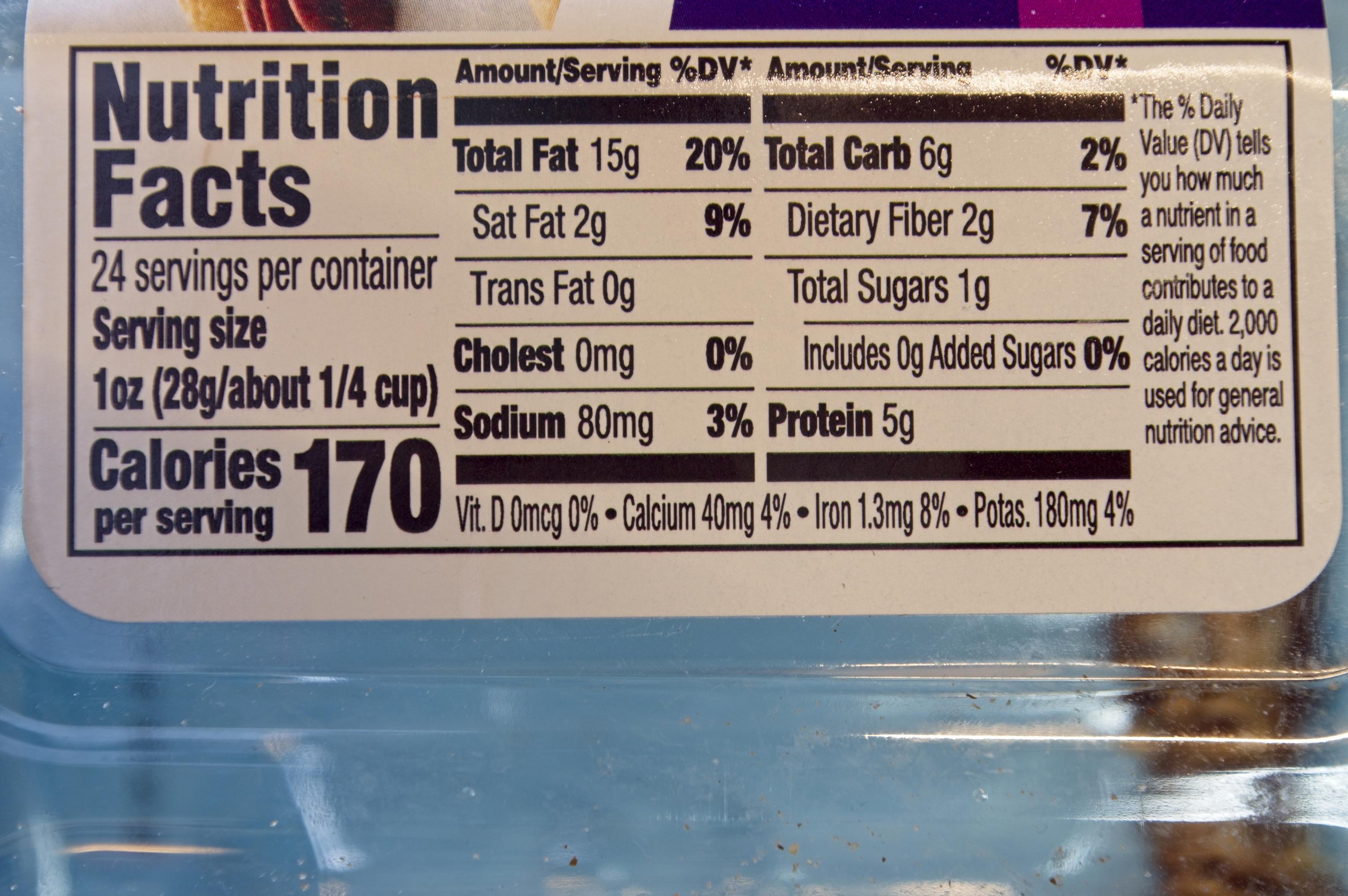
This section of the label gives you the nutritional breakdown. It includes protein, fat, fiber, and moisture content. For a balanced diet, aim for a higher protein percentage, around 20% or more. Fat should be moderate, under 15%, unless your vet suggests otherwise. Fiber helps with digestion, so look for around 5%. Moisture content varies but higher moisture can mean fresher treats. This analysis helps ensure your pet’s nutritional needs are met.
Spotting Additives to Avoid
Not all ingredients are good for your pet. Steer clear of artificial colors, flavors, and preservatives. These can cause allergies or digestive issues. Common culprits include BHA, BHT, and ethoxyquin. Look for preservative-free pet treats for peace of mind. Natural preservatives like vitamin E or C are safer alternatives. Also, watch out for sweeteners like corn syrup. They’re unnecessary and can lead to weight gain.
Choosing Canadian-Made Treats
Local treats offer quality and reliability. Let’s explore why Canadian-made treats are a great choice.
Benefits of Locally Sourced Products
Choosing locally sourced products supports small businesses and ensures freshness. Canadian treats often use natural, high-quality ingredients. They align with the climate and ecosystem, making them more sustainable. Plus, buying local reduces environmental impact. You’ll find treats like natural dog chews in Canada that are both eco-friendly and delicious for your pet.
Trusted Canadian Brands to Support
Supporting Canadian brands means supporting local economies. Brands like Foley Dog Treats and Yappetizers offer transparency in sourcing and production. They prioritize natural ingredients, ensuring your pet gets the best. These brands have a reputation for quality and safety, making them trusted choices for pet parents across the country.
Why Canadian Treats Are Safer
Canadian regulations for pet products are strict, ensuring high standards. This means fewer harmful additives and more real ingredients. You can trust that Canadian-made pet treats are crafted with care. They offer a safer option for your pets, providing peace of mind with every bite.
Processing and Quality Indicators
Understanding processing methods can help you make better choices for your pet’s health.
Air-Dried vs. Freeze-Dried Treats
Air-dried and freeze-dried treats preserve nutrients while extending shelf life. Air-dried treats maintain flavor and texture, ideal for dogs who love chewy snacks. Freeze-dried treats retain more nutrients and are lightweight, perfect for travel. Both methods are gentle, keeping ingredients close to their natural state. Choose the method that suits your pet’s preference and lifestyle.
Importance of AAFCO Statements
An AAFCO statement ensures the treat meets nutritional standards. Look for labels stating the treat is “complete and balanced.” This means it provides all necessary nutrients. While this is crucial for pet food, it’s a good indicator for treats too. It shows the manufacturer follows recognized guidelines, ensuring quality and safety.
Identifying Safe Processing Methods
Safe processing methods avoid high heat and chemical additives. Look for terms like “gently cooked” or “naturally preserved.” These methods protect nutrients and flavor. Avoid treats with long ingredient lists full of unpronounceable chemicals. Trustworthy brands will highlight their processing techniques, giving you confidence in their products.
Frequently Asked Questions
How do I read pet treat labels effectively?
Focus on key ingredients, guaranteed analysis, and avoid additives. Look for real meat, moderate protein and fat, and steer clear of artificial ingredients for a balanced choice.
What makes Canadian-made treats better?
Canadian treats follow strict regulations, ensuring quality and safety. They use locally sourced, natural ingredients that support local economies and sustainability.
How can I ensure the treats I choose are safe?
Choose treats with clear labels, AAFCO statements, and safe processing methods. Look for natural preservatives and avoid artificial additives for a healthier option.
What is the difference between air-dried and freeze-dried treats?
Air-dried treats are chewy and flavorful, ideal for dogs who prefer texture. Freeze-dried treats retain more nutrients and are lightweight, making them great for on-the-go snacking.
Why are preservatives bad in pet treats?
Artificial preservatives can cause allergies and digestive issues. Opt for natural preservatives like vitamin E or C for safer, healthier treats.